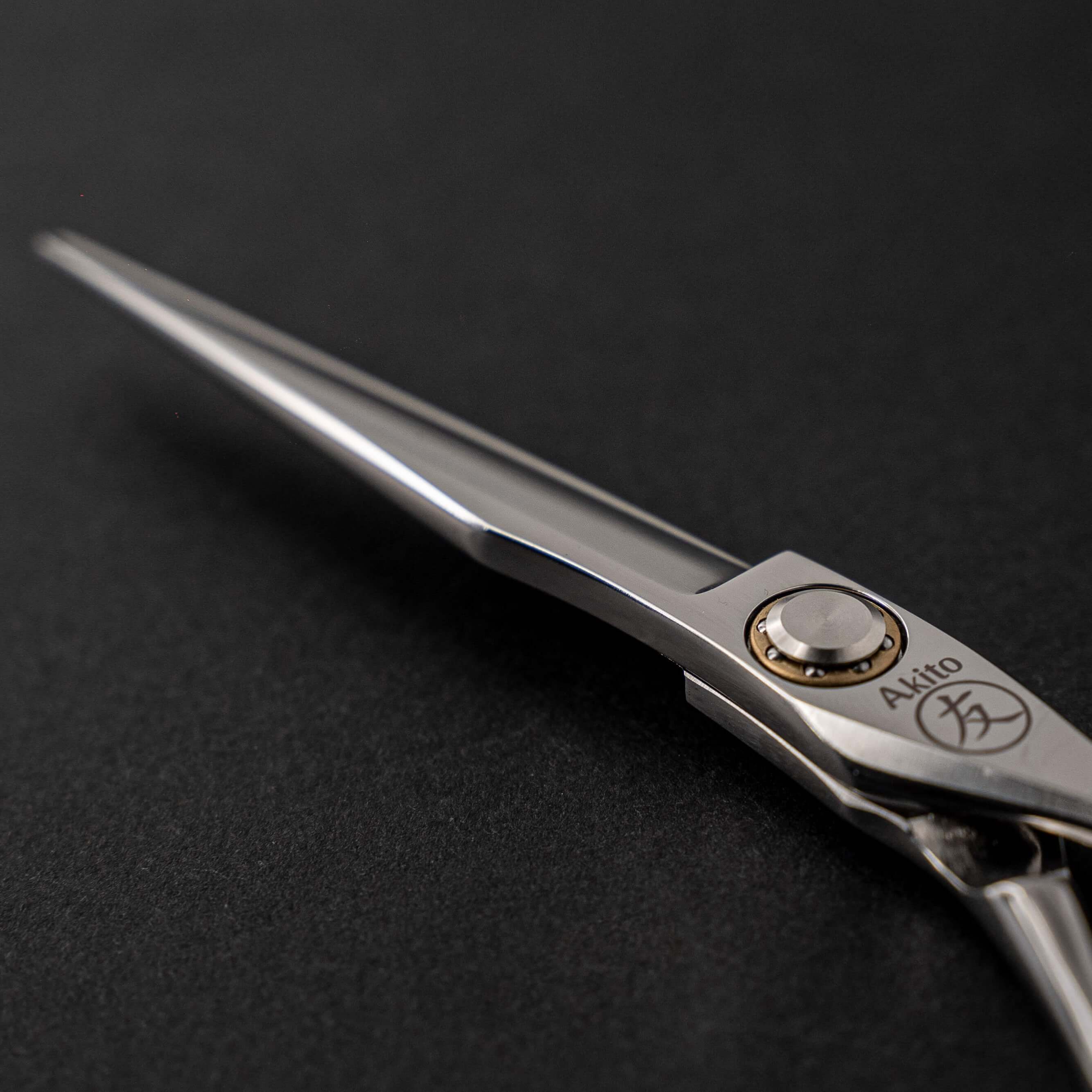
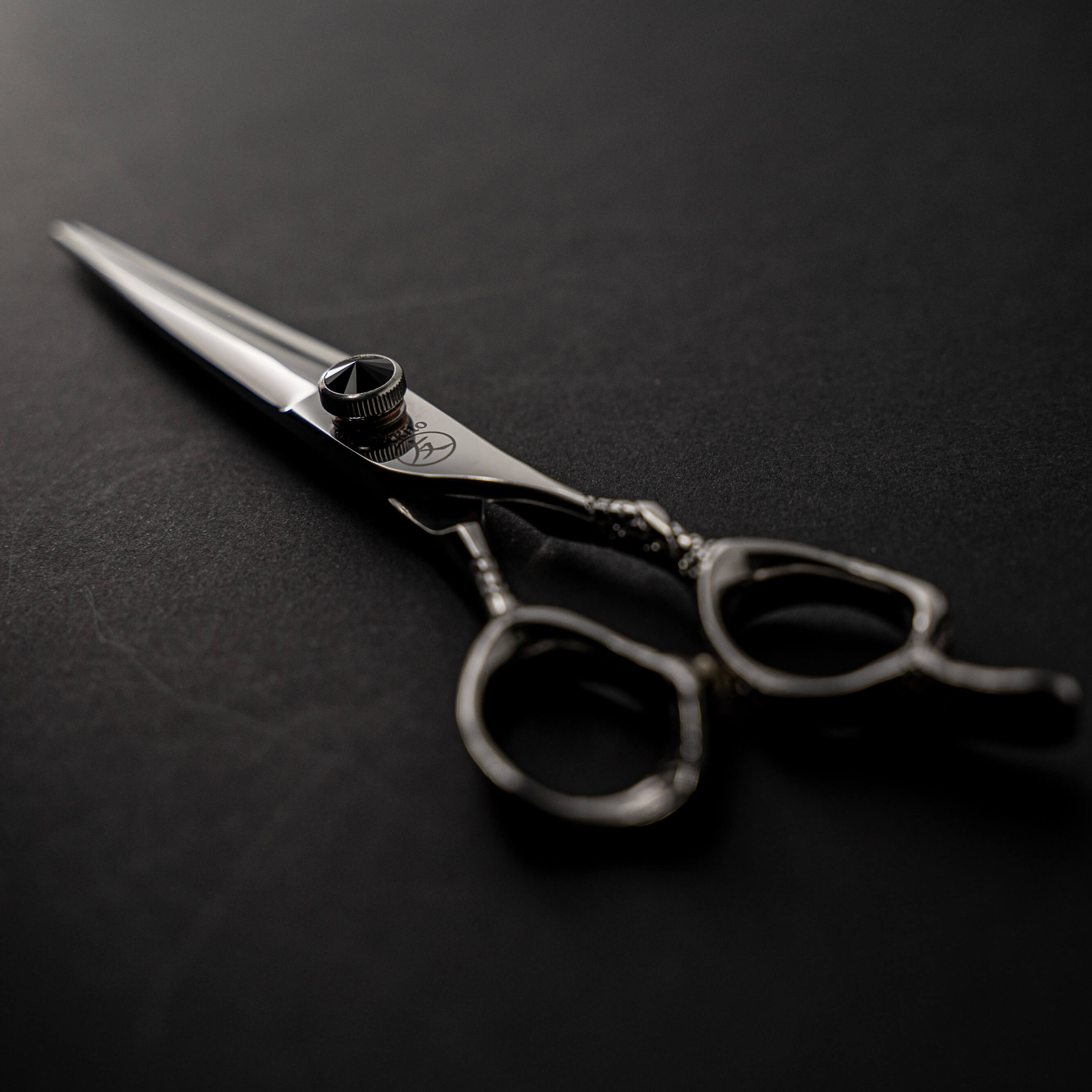
German Steel Guide for Scissors
German steel hairdressing scissors: precision, reliability and durability
German steel is widely associated with precision engineering, consistency, and durability. In hairdressing and barbering scissors, German steel is often chosen for its reliable performance, corrosion resistance, and long-standing manufacturing heritage.
This guide explains what German steel means in the context of hair scissors, where it comes from, how it performs in the salon, and how it compares to other commonly used scissor steels.
What is German steel?
German steel is not a single defined steel grade. Instead, it refers to scissors manufactured using steel produced and processed in Germany, often following strict industrial and quality standards.
In hairdressing scissors, German steel is typically used in:
-
Professional salon scissors.
-
Durable, workhorse-style tools.
-
Scissors designed for consistency rather than extreme sharpness.
The focus is usually on balance, reliability, and longevity.
Where German steel comes from and who manufactures it
Germany has a long history of steel production and precision tool manufacturing, particularly in regions such as Solingen, often referred to as the “City of Blades”.
German steel used in hairdressing scissors is commonly produced under tightly controlled processes, with an emphasis on:
-
Material consistency.
-
Controlled heat treatment.
-
Reliable batch quality.
Rather than chasing maximum hardness, German manufacturers traditionally prioritise stability and durability.
A brief history of German steel in scissors
German steel has been used in cutting tools for centuries, with Solingen becoming internationally recognised for high-quality blades and scissors.
In hairdressing, German steel gained popularity for producing scissors that could withstand daily professional use, repeated sharpening, and demanding salon environments.
German Steel composition - what it means in practice
German steel used for hair scissors is typically stainless steel with moderate carbon content and strong corrosion resistance.
In practical terms, this usually means:
-
Moderate hardness rather than extreme hardness
-
Good resistance to rust and staining
-
Strong toughness and durability
The result is a steel that performs consistently and tolerates regular sharpening well.
What German steel means for hairdressers and barbers
In the salon, German steel scissors are often described as solid and dependable.
They deliver consistent cutting performance and are well suited to:
-
Everyday salon work.
-
Repetitive cutting techniques.
-
Stylists who value reliability over maximum sharpness.
While they may not feel as sharp or refined as premium Japanese steels, they are known for their stability and longevity.
Key performance characteristics of German steel
-
Good, reliable sharpness
Sharp enough for professional cutting, though not typically as fine as high-end Japanese steels.
-
Moderate edge retention
Holds an edge well for regular salon work, but requires more frequent sharpening than VG10 or ATS-314.
-
Durable and forgiving
Tolerates repeated sharpening and heavy use with low risk of chipping.
-
Excellent corrosion resistance
Well suited to moisture and product-heavy salon environments.
-
Long working lifespan
Designed to perform consistently over many years.
Estimated lifespan of German steel scissors
With proper care and professional sharpening, German steel scissors can last many years, even under heavy salon use.
Because the steel prioritises toughness over extreme hardness, it often survives repeated sharpening cycles better than harder, more brittle steels.
What level of steel is German steel?
German steel is generally classed as professional-grade, sitting between mid-range and high-end depending on the specific formulation and manufacturer.
It typically sits:
-
Above entry-level steels such as 420A and 420J.
-
Alongside or just below steels like 440C.
-
Below premium Japanese steels such as VG10 and ATS-314 in terms of sharpness and edge retention.
German steel vs other common scissor steels
-
Compared to 420A and 420J
German steel offers better consistency, durability, and professional performance.
-
Compared to 9CR
Performance is often similar, with German steel prioritising durability and 9CR leaning more toward sharpness.
-
Compared to 440C
440C can achieve higher sharpness and longer edge life, while German steel focuses on toughness and reliability.
-
Compared to VG10 and ATS-314
Premium Japanese steels provide superior sharpness and retention but often require more careful maintenance.
Edge retention - where German steel typically sits
In typical salon use, edge retention generally follows this order:
-
Premium powdered or specialist alloys
-
ATS-314
-
VG10
-
440C
-
German steel
-
9CR
-
420J
-
420A
Actual performance depends on heat treatment, usage, and maintenance.
Is German Steel Right for You?
German steel is well suited to:
-
Professionals who want reliable, durable scissors.
-
Busy salons where tools see heavy daily use.
-
Stylists who value longevity and consistency.
-
Those who prefer lower-risk, forgiving steels.
While it may not offer the extreme sharpness of premium Japanese steels, German steel remains a trusted and proven choice for professional hairdressing and barbering scissors.